As the demand for clean-label, minimally processed pet treats continues to grow, industrial dehydration has become a cornerstone process for creating safe, nutritious, and shelf-stable products. Pet parents increasingly look for transparency, whole ingredients, and healthier alternatives — making it more important than ever for processors to follow best practices that ensure both product quality and safety.
Below are the key operational, safety, and quality-control practices shaping today’s pet treat dehydration standards.
1. Start With High-Quality, Safe Ingredients
Food safety begins long before product enters a dehydrator.
- Choose ingredients from reputable, approved suppliers to ensure they’re free of harmful contaminants. FDA requires all pet food ingredients to be safe, functional, and truthfully represented.
- Meat, poultry, and grains are generally recognized as safe when sourced properly, but processors must still ensure sanitary handling and storage prior to dehydration.
- Consumers are increasingly seeking treats free from preservatives, fillers, and artificial additives. Market insights show strong demand for simple, whole-food ingredients like single‑protein meats and vegetables.
2. Ensure Strict Hygiene & Sanitation Protocols
Industrial dehydration minimizes moisture — but it doesn’t replace proper sanitation.
- Manufacturers must maintain hygienic production environments, regularly sanitize equipment, and prevent cross-contamination, especially when processing raw meat ingredients (https://ezpz.pet/food-safety/what-protocols-should-be-in-place-to-handle-and-process-freeze-dried-or-dehydrated-pet-food-safely/).
- FDA requires pet foods (including treats) to be produced under sanitary conditions and free from harmful substances.
- Equipment and utensils should be thoroughly washed and sanitized between batches to prevent microbial contamination.
3. Control Temperature, Airflow & Dehydration Time
Consistent dehydration is critical for food safety and product performance.
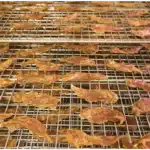
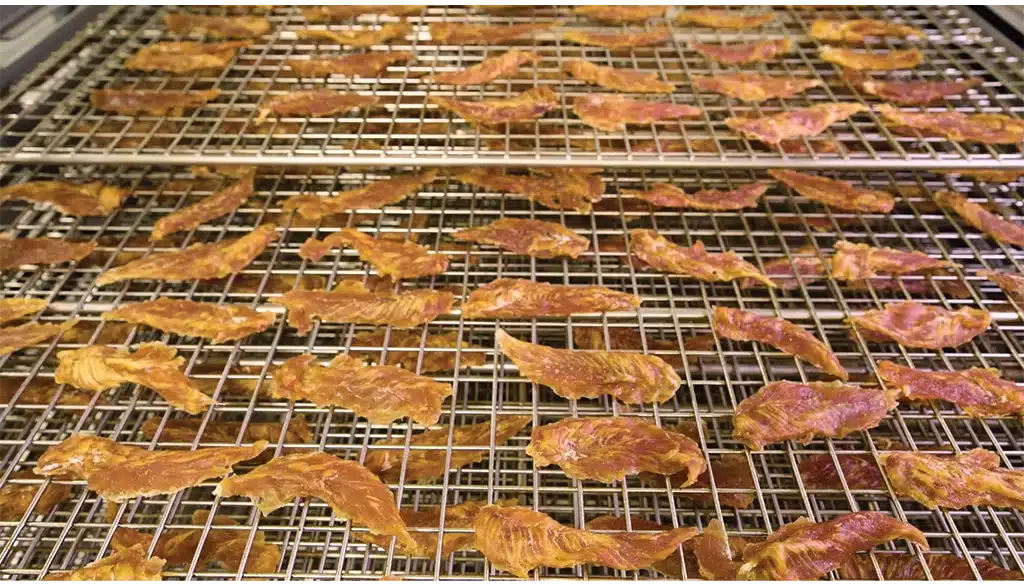
- Ideal dehydration temperatures for pet treats typically fall between 135°F and 155°F, depending on the product and desired dryness.
- Thicker cuts require longer dehydration times; uneven or insufficient drying can lead to mold growth and spoilage.
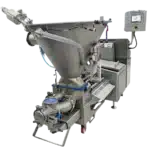
- Industrial dehydrators should deliver consistent temperature control and repeatable performance to minimize process variation. Leading processors rely on equipment with precise, reliable heat and airflow management.
4. Focus on Nutrient Retention
The growing trend toward “human-grade” pet treats underscores the importance of gentle processing.
- Dehydration is valued for being slow and gentle, helping preserve natural nutrients and flavors, especially compared with high-heat methods like extrusion.
- Excessive heat can degrade vitamins such as A and C; using lower temperatures for longer durations supports nutrient retention.
5. Execute Proper Handling of Raw Meats
Raw meat ingredients require heightened attention to safety.
- Proper thawing, separation from other ingredients, and sanitation practices help reduce pathogen risks.
- Certain meat-derived treats (e.g., jerky) must be fully labeled and regulated because they do not fall under “treat” exemptions and require full compliance with state and federal labeling laws.
6. Prevent Spoilage Through Moisture Control
Residual moisture is one of the biggest threats to product safety.
- Uneven moisture causes mold growth and can make treats unsafe for consumption. Cutting uniform sizes, spacing product properly, and rotating trays help ensure consistent drying.
- Industrial processors should verify moisture levels using calibrated instruments and perform periodic spot-checks during production.
7. Package for Shelf Stability & Safety
Packaging plays a critical role in extending shelf life.
- Packaging must protect against moisture, oxygen, and light to maintain safety and product integrity.
- Airtight storage is essential — improperly dried or poorly stored treats are at higher risk for spoilage and consumer complaints.
- FDA requires truthful labeling with accurate ingredient statements, net weight, manufacturer identification, and compliance with applicable claims regulations.
8. Implement Continuous Quality Assurance
Ongoing monitoring supports long-term consistency and regulatory compliance.
- Routine inspections, hazard analyses, and preventive control programs help ensure safe production. FDA and partner agencies utilize risk-based inspections for pet food facilities.
- Processors should document batch parameters, monitor environmental conditions, and maintain traceability records.
Industrial dehydration continues to be a safe, effective way to produce high-quality pet treats that align with consumer expectations for nutrition, clean labels, and transparency. By investing in proper ingredient sourcing, maintaining rigorous sanitation, controlling temperature and airflow, and following regulatory guidance, manufacturers can create consistent, safe, and flavorful products pets love.